- Book Appointment
- +91-9871881357
- krishmalespa@gmail.com

Types of Massage Therapy
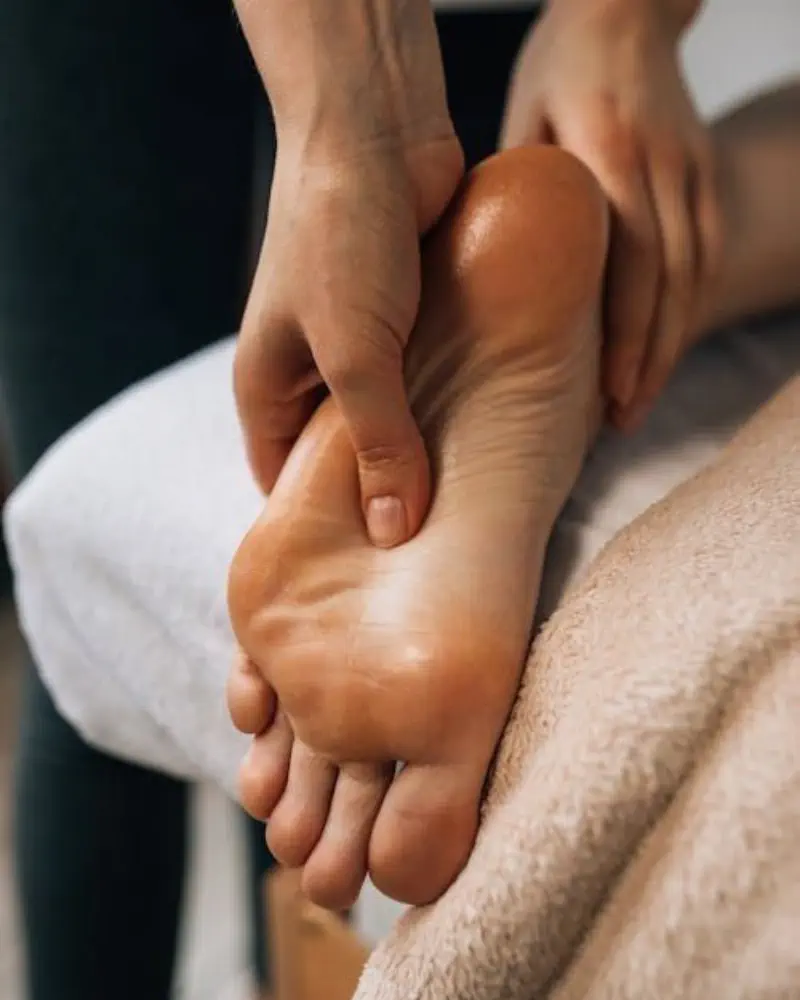
The Ultimate Guide to Male-to-Male Massage
July 23, 2026Types of Massage Therapy

Take time to relax, release everyday tension and support your wellness routine.
Types of Massage Therapy: Swedish vs Deep Tissue vs Aroma Oil Massage
Choosing the right types of massage therapy starts with understanding what you want from the session. You may prefer gentle, flowing movements to unwind after a busy day, focused pressure on areas of muscle tightness, or an oil-based massage with a soothing fragrance. Each approach offers a different experience, so knowing the differences can help you make a more informed choice.
Among the options people commonly explore are types of massage therapy Swedish Massage, Deep Tissue Massage, and Aroma Oil Massage. However, these treatments are not interchangeable. They can differ in technique, pressure, use of oils, and the type of experience they provide.
In this guide, Krish Male Spa Delhi explains the main differences between these massage styles, who might consider each option, what to check before booking, and when professional medical advice may be appropriate.
What Are the Main Types of Massage Therapy?
Massage therapy involves working with the body’s soft tissues using techniques such as stroking, kneading, and applying pressure. Different approaches are used for relaxation, general wellness, and specific preferences.
Three options worth understanding are Swedish Massage, Deep Tissue Massage, and Aroma Oil Massage.
1. Swedish Massage: A Gentle Approach to Relaxation
Swedish Massage is a widely recognised massage style that commonly uses long, flowing strokes, kneading, and other controlled movements. Pressure is generally adjusted to suit the person’s comfort and the purpose of the session.
What can you expect?
- Flowing, rhythmic movements across the soft tissues.
- Gentle to moderate pressure, depending on your preference.
- A session that can be adapted for general relaxation.
- Opportunities to communicate about pressure and sensitive areas.
Who might consider Swedish Massage?
Swedish Massage may be a suitable option if you are new to massage, prefer a gentler approach, or want time to unwind after work, travel, or a physically demanding day.
It is also a useful starting point for people who are unsure how much pressure they enjoy.
However, relaxation is subjective. A massage does not guarantee better sleep, eliminate stress, or treat an underlying medical condition. Tell the therapist what feels comfortable rather than assuming that a standard pressure level will suit everyone.
2. Deep Tissue Massage: Focused Attention on Tight Areas
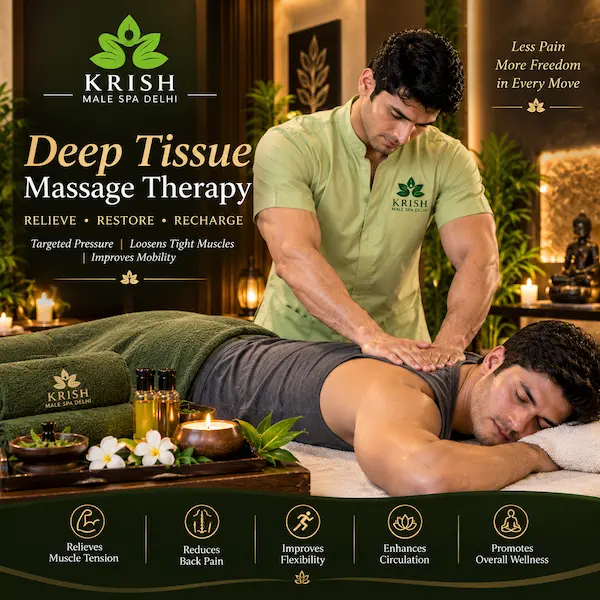
Deep Tissue Massage generally uses slower strokes and more focused pressure on selected soft-tissue areas. It may be considered by people who prefer targeted work rather than a session centred mainly on gentle relaxation.
What makes it different?
- More focused movements on selected areas.
- Often firmer pressure than a gentle relaxation massage.
- A need for clear communication throughout the session.
- Greater care when assessing whether deep pressure is appropriate.
Who might consider Deep Tissue Massage?
You may wish to discuss this approach if you experience muscle tightness after repetitive activity, exercise, or prolonged periods of sitting.
Nevertheless, deeper pressure is not automatically better. A massage should not cause sharp pain, numbness, tingling, or significant discomfort. Ask for the pressure to be reduced or stopped whenever necessary.
Deep Tissue Massage is not a substitute for diagnosing or treating an injury. If you have persistent or unexplained pain, a recent injury, a bleeding disorder, take blood-thinning medication, or have another relevant medical condition, seek medical advice before choosing a deep-pressure treatment.
3. Aroma Oil Massage: An Oil-Based, Fragrance-Focused Experience
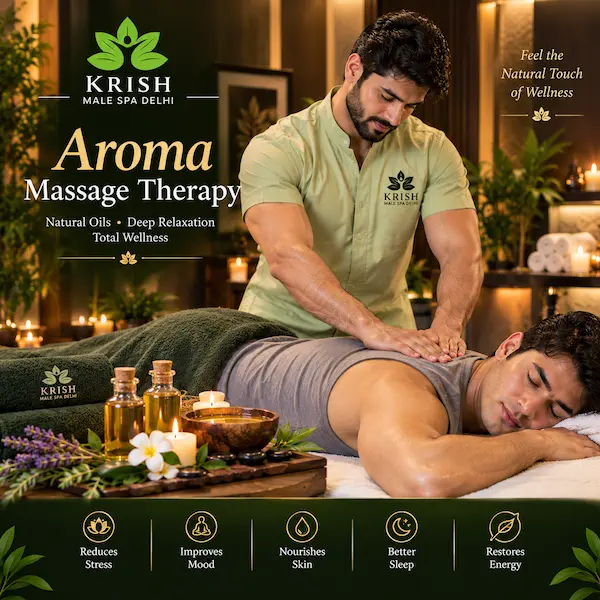
Aroma Oil Massage typically combines massage movements with massage oil and, depending on the service, aromatic or essential oils. The precise technique and ingredients vary between providers, so it is worth asking what the treatment includes.
What can you expect?
- Massage oil used to support smooth hand movements.
- A fragrance that may be incorporated into the experience.
- Pressure that can vary according to the massage technique.
- An opportunity to discuss preferred scents or request an unscented alternative.
Who might consider Aroma Oil Massage?
This option may appeal to people who enjoy scented oils and prefer an oil-based massage experience. It can also be adapted to different pressure preferences when the provider offers suitable options.
There is an important distinction between fragrance and proven health benefits. Essential oils are used in aromatherapy, but evidence for specific outcomes varies. A pleasant scent should not be presented as a guaranteed treatment for anxiety, insomnia, pain, or another medical condition.
If you have sensitive skin, allergies, asthma, or fragrance-triggered symptoms, discuss these concerns before booking. Essential oils should be appropriately diluted before skin application, and some people may be better suited to fragrance-free products.
For more information, consult the National Center for Complementary and Integrative Health’s massage therapy guidance and its overview of aromatherapy.
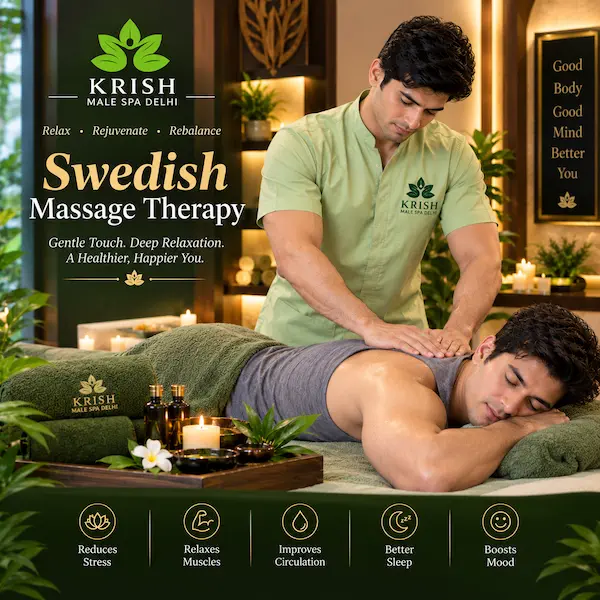
Swedish vs Deep Tissue vs Aroma Oil Massage: A Comparison
The best way to compare these massage styles is to look at their techniques, typical pressure, and overall focus.
| Feature | Swedish Massage | Deep Tissue Massage | Aroma Oil Massage |
|---|---|---|---|
| Main focus | General relaxation | Focused soft-tissue work | Oil-based massage with fragrance |
| Typical technique | Flowing strokes and kneading | Slower, more targeted strokes | Varies by provider and technique |
| Pressure | Often gentle to moderate | Often firmer and more focused | Depends on the technique selected |
| Use of oil | May be used | May be used | A defining part of the experience |
| May suit | People who prefer a gentler session | People seeking focused work on tight areas | People who enjoy aromatic oils |
| Important consideration | Communicate comfort preferences | Avoid excessive or painful pressure | Check ingredients and sensitivities |
Remember: These categories can overlap. An oil-based massage may use Swedish-style movements, for example. Therefore, ask the provider about the actual techniques, products, and pressure included rather than relying only on the treatment name.
Which Type of Massage Is Right for You?
There is no single best massage for everyone. Your choice should depend on your preferences, expectations, physical condition, and any relevant health considerations.
Choose a gentler massage if relaxation is your priority
If you want to unwind after a demanding workday, consider asking about a Swedish-style or gentle oil-based massage. Explain that you prefer comfortable pressure and flowing movements.
You can also request adjustments during the session. You do not need to tolerate discomfort for the massage to be worthwhile.
Consider focused massage if you experience muscle tightness
People who exercise regularly or spend long hours at a desk may experience muscle tightness. A focused massage may be worth discussing, depending on the circumstances.
However, soreness after exercise, an injury, and persistent pain are not the same thing. Deep pressure may be inappropriate in some situations, so do not use massage to ignore severe or unexplained symptoms.
Consider Aroma Oil Massage if you enjoy fragrances
If you enjoy scented oils and want an oil-based experience, ask whether Aroma Oil Massage is available and which ingredients are used.
If you dislike fragrances or have sensitive skin, request information about unscented alternatives. Your comfort and safety should take priority over the advertised treatment style.
New to Massage? Start with Your Comfort Level
First-time customers do not need to choose the most intensive treatment. Start by explaining what you hope to experience, asking what the session involves, and agreeing on a comfortable pressure level.
You can request a change in pressure or ask the therapist to stop at any point. A professional provider should respect your preferences, explain the treatment clearly, and maintain appropriate personal boundaries throughout the appointment.
Does Massage Help with Stress and Muscle Tension?
Many people choose massage because they find it relaxing. Research suggests that massage may help with certain symptoms in some circumstances, although the evidence varies according to the condition and type of treatment. It is important to understand what massage may offer without expecting guaranteed results.
- Relaxation: A comfortable massage may provide an opportunity to unwind and take a break from daily demands.
- Muscle tension: Some people experience temporary relief from muscular tightness. However, persistent tension may have an underlying cause that needs further assessment.
- Exercise recovery: Massage may help with some aspects of post-exercise soreness, but it does not replace appropriate rest, gradual training, or medical care when an injury is suspected.
- Sleep and stress: Individual experiences differ. Massage should not be considered a guaranteed treatment for insomnia, chronic stress, or a mental health condition.
For a better-informed decision, consider your goals, health circumstances, and comfort level before booking. If pain or other symptoms are severe, persistent, or interfere with daily activities, consult an appropriate healthcare professional rather than relying on massage alone.
For further information, read the National Center for Complementary and Integrative Health’s guide to massage therapy.
What Should You Check Before Booking a Massage?
Choosing a treatment is only part of the decision. The provider’s hygiene practices, communication, transparency, and suitability for your needs also matter.
Use this practical checklist before confirming an appointment.
1. Confirm what the treatment includes. Ask which techniques are used, what areas will be covered, and whether the session is intended mainly for relaxation or focused pressure.
2. Discuss pressure preferences. Explain whether you prefer gentle, moderate, or firmer pressure. Make sure you can request a change at any time.
3. Check hygiene arrangements. Look for clean towels, appropriate cleaning practices, and a well-maintained treatment setup.
4. Ask about oils and ingredients. If you have allergies, sensitive skin, or fragrance concerns, request details about the products and whether an unscented option is available.
5. Discuss relevant health concerns. Tell the provider about recent injuries, surgery, significant medical conditions, or medication that may affect the suitability of massage.
6. Confirm the booking details. Clarify the session duration, total price, appointment location, payment arrangements, and cancellation policy before confirming.
7. Check therapist training and professionalism. Ask about relevant training and credentials. Professional communication, informed consent, and respect for personal boundaries should be part of the experience.
These checks help you compare services on practical factors rather than choosing solely on price or promotional claims.


When Should You Avoid Massage or Seek Medical Advice?
Massage is generally low-risk for many healthy adults when performed appropriately. Nevertheless, certain conditions require caution, and forceful techniques can pose additional risks.
Seek medical advice before booking if you have a suspected blood clot, a recent serious injury, recent surgery, a bleeding disorder, fragile bones, an active skin infection, or another condition that could make massage unsafe.
Avoid massage over open wounds or areas of suspected infection. If you experience sudden or severe pain, significant swelling, new numbness, or other concerning symptoms, seek medical assessment instead of trying to manage them through massage.
Deep-pressure techniques deserve particular care. The National Center for Complementary and Integrative Health notes that rare serious adverse effects have been reported, including in connection with vigorous massage techniques.
Read the NCCIH guide to massage therapy, its potential benefits, and risks for further information.
This article provides general educational information and is not a substitute for personalised medical advice.
Choosing a Massage Service in Delhi
When comparing massage services in Delhi, consider the treatment options, therapist training, hygiene arrangements, transparent pricing, and the opportunity to discuss your preferences before the session.
If you prefer a home or hotel appointment, confirm that the provider serves your intended location. For hotel visits, check the hotel’s rules and make sure the appointment arrangements are agreed upon in advance.
Krish Male Spa Delhi provides home and hotel massage services. Customers can enquire about appointment availability, discuss their preferences, and confirm the service details before booking.
If you are considering a massage, start by explaining what you want from the session. The appropriate option depends on the available service, your comfort, and any relevant health considerations.
Visit the Krish Male Spa Delhi website to explore the business’s service information and enquire about an appointment.
Frequently Asked Questions About Type of Massage Therapy in Delhi
Which is better: Swedish Massage or Deep Tissue Massage?
Neither is universally better. Swedish Massage generally uses flowing movements and is often selected for relaxation, while Deep Tissue Massage involves more focused pressure. The right choice depends on your preferences, comfort, and health circumstances.
Is Deep Tissue Massage supposed to hurt?
No. Some temporary tenderness may occur, but sharp pain, numbness, tingling, or significant discomfort should not be ignored. Tell the therapist to reduce or stop the pressure.
What is the difference between Aroma Oil Massage and regular oil massage?
Regular oil massage uses oil to support the massage technique. Aroma Oil Massage also incorporates fragrance or essential oils, depending on the service. Because terminology varies between providers, ask which products and techniques are included.
Which massage is suitable for beginners?
A gentle Swedish-style massage may be a comfortable starting point for many beginners. Explain your preferences before the session and ask for pressure adjustments whenever needed.
Can massage help reduce stress?
Many people find massage relaxing, and research suggests possible benefits for some symptoms in particular settings. However, results vary, and massage is not a guaranteed treatment for chronic stress or mental health conditions.
How often should you get a massage?
There is no universal schedule that everyone needs to follow. Frequency depends on your preferences, goals, response to treatment, budget, and health circumstances. Seek individual guidance when needed rather than following a fixed schedule solely because it is advertised.
Can I request a fragrance-free massage?
Yes, you can ask the provider whether an unscented oil or fragrance-free option is available. This may be particularly important if you have sensitive skin, allergies, or fragrance-triggered symptoms.
How do I choose a professional massage service in Delhi?
Check the provider’s service information, therapist training, hygiene practices, pricing transparency, and booking terms. Before confirming, make sure you understand the treatment and can communicate your preferences comfortably.
Final Thoughts: Choose the Massage That Fits Your Needs
Swedish, Deep Tissue, and Aroma Oil Massage can offer different experiences. Swedish Massage is commonly associated with flowing movements and relaxation, Deep Tissue Massage focuses on selected soft-tissue areas, and Aroma Oil Massage combines bodywork with aromatic oils.
Rather than assuming that one style is best for everyone, consider your goals, preferred pressure, fragrance sensitivities, and health circumstances. Ask questions before booking, communicate throughout the session, and choose a provider who respects your comfort and boundaries.
Looking for a home or hotel massage appointment in Delhi? Contact Krish Male Spa Delhi to enquire about available services, discuss your preferences, and confirm the appointment details before booking.
Health information disclaimer: This article is for general educational purposes only. It does not provide medical diagnosis or treatment advice.